
Siding · Front Range
Siding repair and replacement after Colorado hail.Matched, flashed and documented.
Hail cracks vinyl, chips fiber cement and splits old hardboard. We document every elevation, deal with matching honestly, and get the roof-to-wall flashing right while the siding is open.
- 4.8★ on Google160 homeowner reviews
- Insurance-claim expertsIn roofing since 2009
- Insurance & hail expertsInspection to final check
- Financing through SlicePay over time, if approved
- Licensed, Fort Collins to Colorado SpringsBased in Lone Tree
Why siding matters
Siding is the second line of defense after the roof.
Siding sheds water, wind and sun, and it protects the weather barrier that actually keeps the walls dry. Hail is directional, so the elevations facing the storm often take the damage while the rest of the house looks fine.
The most leak-prone spot on many houses is where a roof meets a wall. That joint relies on step flashing and a kick-out flashing at the bottom that turns water into the gutter instead of down the wall. When the roofer and the siding crew work separately, that detail is where things get missed. When we do the roof and siding, it gets done once.
“Water runs down my wall where the siding meets the roof” is one of the most common questions homeowners post online. The fix is usually flashing, not more caulk.
Signs you need it
What to look for from the ground.
You don’t need a ladder. If you see any of these, a free inspection will tell you what it means.
Cracks, holes and chips
Hail cracks or punches through vinyl and chips fiber cement, usually on the storm-facing side.
Loose, warped or missing panels
Wind lifts and pops vinyl; heat from grills and reflected sunlight can warp it.
Swelling or soft spots
Swollen edges on hardboard or engineered wood mean water is getting in.
Peeling paint that keeps coming back
Repeated peeling in the same spot often means moisture behind the siding, not bad paint.
Stains below the roof line
Streaks where a roof meets a wall usually mean missing or failed kick-out flashing.
Interior stains on outside walls
Water stains on an exterior wall inside can trace back to siding or flashing.
Materials
What siding fits a Colorado house.
No brand pitch. These are the trade-offs we walk you through at the inspection.
Vinyl
Affordable and low-maintenance, many profiles. Older vinyl gets brittle in cold and sun, and discontinued colors can be hard to match.
Fiber cement
Heavier, non-combustible and paintable; a common pick for durability and wildfire areas. Needs careful flashing at joints and clearance from roofs and grade.
Engineered wood
Lighter than fiber cement with a wood look; needs sealed cut edges and paint maintenance.
Hardboard / pressed board
Common on older Front Range homes. Once it swells it won’t lie flat again. We’ll tell you straight when it should be replaced rather than repainted.
Wood and cedar
Looks great, needs regular paint or stain in Colorado sun. Check your HOA and any wildfire rules first.
Housewrap and flashing
Every replacement includes the weather barrier, window and door flashing, and kick-outs where roofs meet walls.
Colorado hail & insurance
Hail, insurance and siding in Colorado
Document every side of the house. We photograph each elevation in CompanyCam, mark the hits, and note the siding profile and color so the adjuster can see what’s there and what it will take to match.
Matching is the hard part. If your siding is discontinued, a few new panels may not match the rest of the wall. How that’s handled depends on your insurer and policy wording; your insurer decides coverage. We show the adjuster the profile, color and what’s available, so the decision is made on facts.
Siding and paint go together. Patched siding on a painted house usually needs paint to the nearest break line. We document that with the siding damage instead of finding out later.
Claim came back light? Read appraisal vs. supplement and denied and low claims.
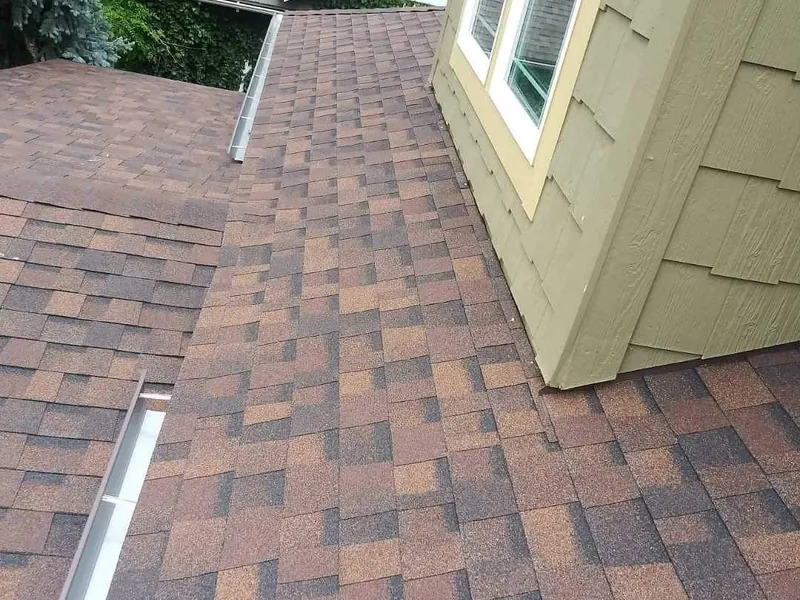
Real Homey job photo. House numbers blurred.
We’re roofers, not public adjusters.Colorado law limits what a roofer can do on your claim (C.R.S. 6-22-105). We inspect, document, meet your adjuster as your contractor, and send supplements with evidence. Your insurer decides coverage.
What homeowners complain about
The siding complaints we hear most.
We read local reviews, Reddit threads and news stories about Front Range contractors. These complaints came up again and again. Here’s how we handle each one.
“The roofer blamed the gutter guy, and the gutter guy blamed the roofer.”
How we handle it
Roof, gutters, siding, windows and paint can all run through one Homey contract, so the edges where trades meet get done once, by people talking to each other.
“Half the damage never made it onto the insurance estimate.”
How we handle it
We photograph every elevation in CompanyCam, and you get a copy of every photo we send your insurer. Your insurer decides coverage; we make sure they see the documented damage.
“Their lifetime warranty disappeared with the company.”
How we handle it
Every Homey job carries a 2-year workmanship warranty in writing, transferable once if you sell, from a company that’s been local since 2012. Material warranties come from the manufacturer.
Complaints paraphrased from public Colorado homeowner reviews, Reddit (r/Denver, r/ColoradoSprings, r/Roofing) and local news, 2025–2026.
How it works
Our siding process, step by step.
One local team from start to finish. Photos from every stage go in your job file in CompanyCam.
Free inspection
Every elevation photographed, hits marked, siding profile and color noted.
Scope and matching
We identify the product, check availability, and tell you what will and won’t match.
Permit and HOA
We confirm whether your city needs a permit and prepare the HOA color submittal if you have one.
Remove and inspect
Old siding comes off; we check sheathing and weather barrier and show you anything we find.
Wrap, flash, install
Housewrap, window and door flashing, kick-outs at roof lines, then siding and trim.
Paint, walkthrough, warranty
Paint where needed by Angel, our master painter, final photos, and the 2-year workmanship warranty in writing.
What affects the price
What changes a siding quote.
We don’t post made-up price ranges. You get a written, line-item price after a free inspection. Retail jobs can be financed through Slice, if approved.
- Wall area being re-sided, and how many elevations
- Material (vinyl, fiber cement, engineered wood) and profile
- Damaged sheathing or weather barrier found when the old siding comes off
- Trim, corners, soffit and fascia
- Paint for fiber cement or to blend repairs
- Matching: partial vs. full-elevation replacement
Paying with insurance? You usually pay your deductible plus any upgrades you choose. See the cost guide.
Codes, permits & HOAs
Local rules we check before we order.
Rules change by city and by neighborhood. These come up most on siding jobs.
- Many Front Range HOAs require approval of siding color and material; see our HOA approval guide.
- Permit rules for siding vary by city and scope. We check with your building department before work starts and pull any permit required.
- Homes built before 1978 may have lead paint on siding and trim. Federal rules require lead-safe work practices by a certified firm when painted surfaces are disturbed (EPA Renovation, Repair and Painting rule).
- Golden enforces a wildfire resiliency code on properties in its mapped wildland-urban interface (City of Golden). In foothill and forest areas, non-combustible siding is worth a look.
Sources linked; checked Oct 29, 2026. Codes change, and we confirm with your building department on every job.
Real Homey work
From our job files.
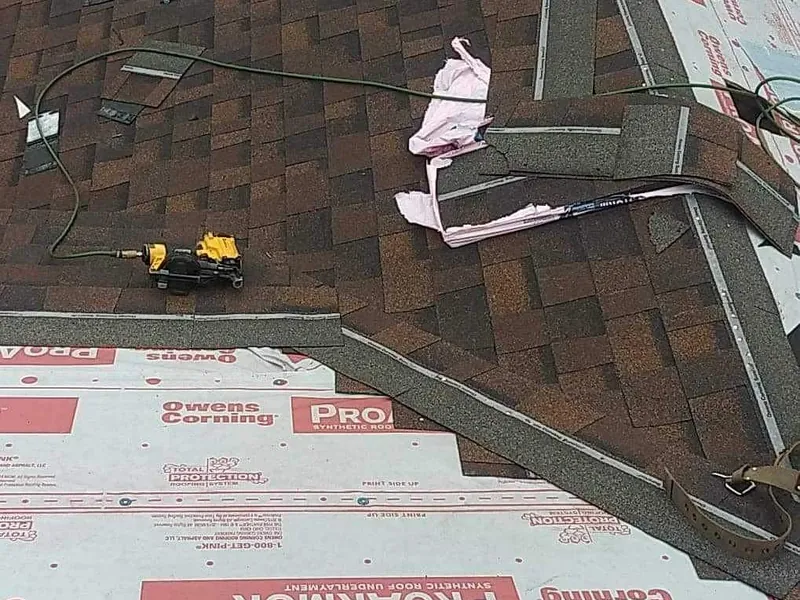
No stock photos. Every image is a Homey job, and house numbers are blurred.
How do I know if my house needs new siding?
Cracks, holes or chips after hail, loose or warped panels, swelling or soft spots, paint that keeps peeling in the same place, and stains below roof lines are the common signs. A few damaged panels can be repaired; widespread damage, swelling hardboard or a failing weather barrier usually means replacement.
Does homeowners insurance cover hail-damaged siding?
Hail damage to siding is commonly covered under a hail claim, minus your deductible, but policies differ, especially on cosmetic damage and matching. We photograph every elevation; your insurer decides coverage.
Can you replace siding without replacing the whole exterior?
Yes, if the product is still available and matches. If it’s discontinued, a patch may not match. We show you and your adjuster exactly what’s available before anything is ordered.
What is the best siding for Colorado weather?
It depends on your house, budget and HOA. Fiber cement is durable and non-combustible; vinyl is affordable and low-maintenance; engineered wood gives a wood look. All of them need proper flashing to last.
How long does siding replacement take?
Most single-family siding jobs take days, not weeks, once materials arrive. Weather, special-order colors and sheathing repairs can add time. We give you a schedule before we start.
Water runs down my wall where the roof meets the siding. Who do I call?
That’s usually a flashing problem at the roof-to-wall joint, like failed step flashing or a missing kick-out. Because we do both roofs and siding, we fix the cause instead of caulking the symptom.
How much does siding replacement cost?
It depends on wall area, material, trim, and what’s behind the old siding. We give you a written, line-item price after a free inspection. Retail jobs can be financed through Slice, if approved.